
Virtual Opportunities For All – VOFA
Virtual Opportunities for All (VOFA) was implemented between July 2023 and June 2026 by Youth Center Perspektiva from Albania together with the leader if this project Club for Youth Empowerment 018 (KOM 018) from Serbia, Beyond Borders from Italy, and Red Cross Novo Sarajevo from Bosnia and Herzegovina. Although the partnership consisted of four organizations from 4 countries, the project reached a much wider audience through online activities that enabled young people from different countries and backgrounds to participate regardless of geographical barriers. At a time when digital communication had become an essential part of everyday life, the project aimed to demonstrate that online spaces could be transformed into meaningful environments for learning, dialogue, cooperation, and personal development.
The project was built on the idea that young people need more opportunities to connect with one another, especially across cultural and national borders. While social media and digital platforms have made communication easier than ever before, meaningful interaction and learning do not happen automatically. For this reason, VOFA focused on creating structured and safe virtual spaces where young people could exchange experiences, discuss social issues, challenge stereotypes, and develop skills that would help them become more active and informed members of their communities.
A significant part of the project was dedicated to the development of educational content and innovative methodologies for online learning. Rather than simply transferring traditional youth work activities into a virtual format, the partner organizations worked on adapting methods, tools, and approaches to suit the realities of online participation. Experts and youth workers collaborated to design educational modules, interactive workshops, facilitation techniques, materials, and learning resources that could engage participants in a virtual environment while maintaining a high level of interaction and participation.
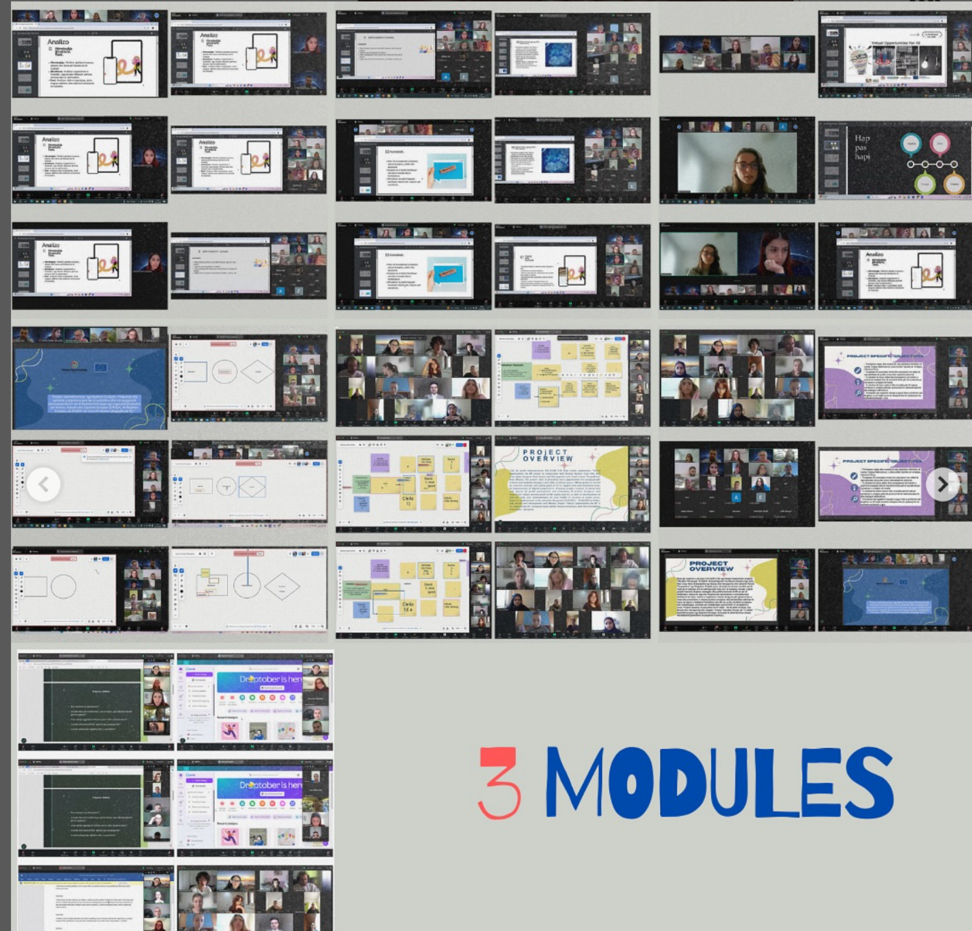
The educational framework of the project was organized around three thematic modules. The first module, Intercultural Dialogue, addressed questions of identity, culture, diversity, stereotypes, prejudice, discrimination, and intercultural communication. Through discussions and practical exercises, participants were encouraged to reflect on their own cultural backgrounds while learning to understand and appreciate the perspectives of others. The module aimed to foster respect for diversity and strengthen participants’ ability to communicate across cultural differences.
The second module, Hate Speech and Media Literacy, focused on challenges that young people increasingly face in digital environments. Participants explored the concept of hate speech, its impact on individuals and communities, and its connection to human rights and social exclusion. Particular attention was given to media literacy and critical thinking. Participants learned how information is produced and disseminated online, how misinformation and manipulation can influence public opinion, and how to critically evaluate sources of information before accepting or sharing content. These discussions were especially relevant in a period characterized by information overload and the rapid spread of online narratives.
The third module, Youth Activism and Campaigns, encouraged participants to become active contributors within their communities. The module introduced concepts related to civic participation, volunteering, advocacy, awareness-raising initiatives, and community engagement. Participants were also introduced to practical tools for planning and implementing campaigns, particularly through digital platforms and social media. Through this process, young people were encouraged to recognize their potential to influence positive change and to understand that activism can take many forms, from local initiatives to international campaigns.
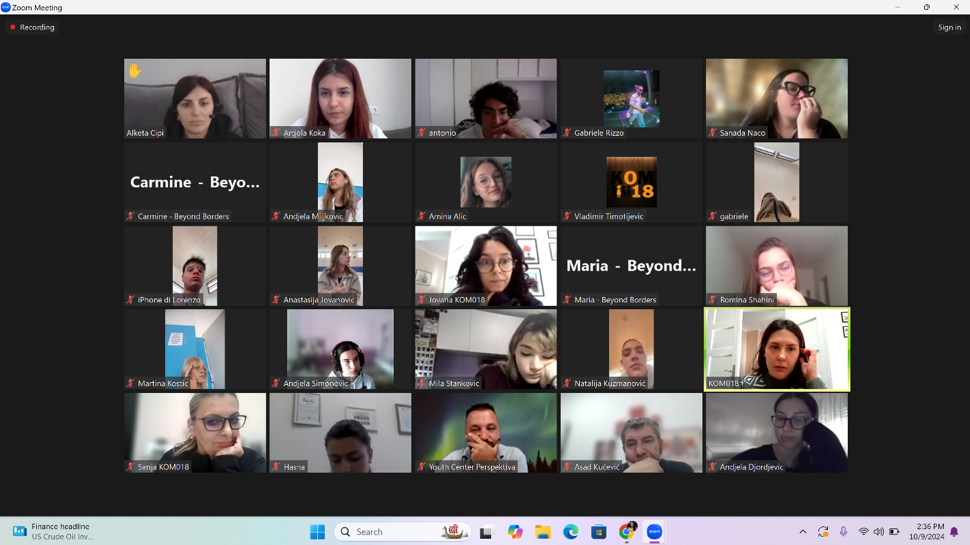
Before the implementation of activities with young people, considerable attention was given to building the capacities of facilitators and youth workers. The first phase of the project included three international online trainings covering each of the thematic areas. Participants in these trainings later joined a specialized programme focused on online facilitation. This component was particularly important because successful virtual learning requires specific competencies that differ from those used in face-to-face activities. Facilitators learned how to manage online group dynamics, encourage participation, create inclusive environments, use digital tools effectively, and respond to challenges commonly encountered in virtual learning settings.
As a result of these efforts, sixty facilitators successfully completed the capacity-building phase and became actively involved in the implementation of project activities. Their role extended beyond moderating discussions. They were responsible for creating welcoming learning environments, encouraging participation, supporting intercultural dialogue, and helping participants reflect on their experiences throughout the project.
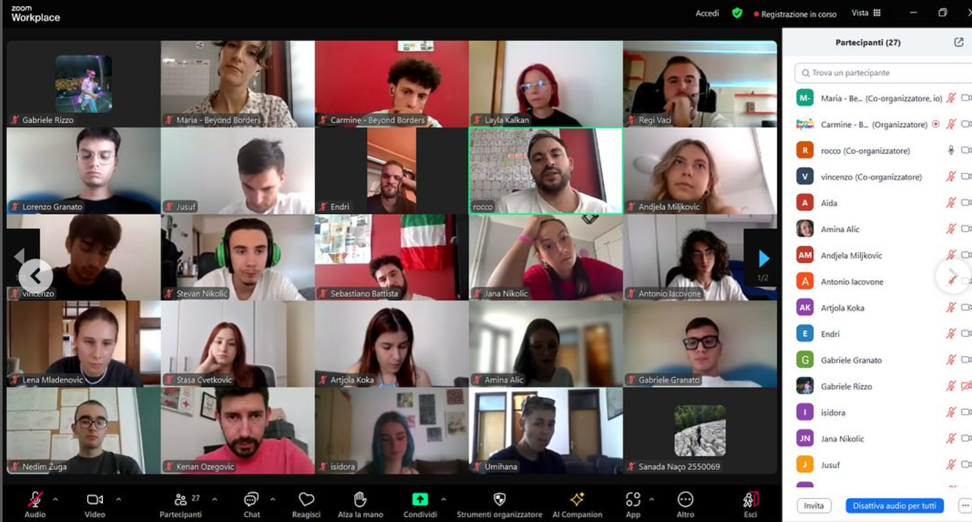
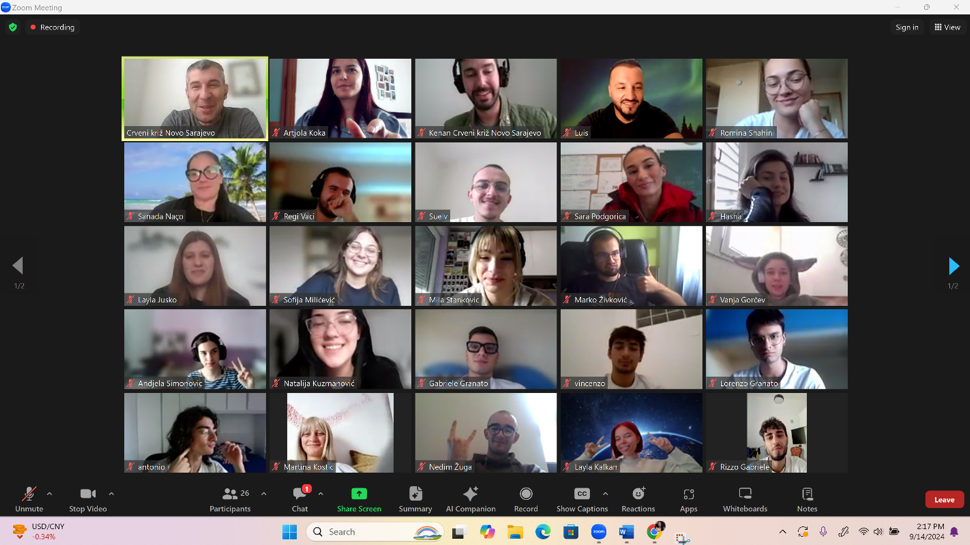
The implementation phase was carried out through several cycles of activities. During this period, facilitators organized sixty international virtual trainings and sixty international virtual exchanges. These activities brought together young people from different countries to discuss common challenges, exchange ideas, and learn from one another’s experiences. Through interactive online sessions conducted primarily via Zoom, participants explored issues related to culture, identity, media consumption, participation, and youth activism. The virtual format made it possible for participants to engage in international dialogue without the financial and logistical barriers often associated with physical mobility.
Alongside the international activities, the project also supported forty-eight national virtual exchanges. These activities enabled participants to explore project modules within their own local contexts while remaining connected to the broader objectives of the project. Discussions often focused on challenges faced by young people in their communities and on opportunities for civic engagement, volunteering, and social action.
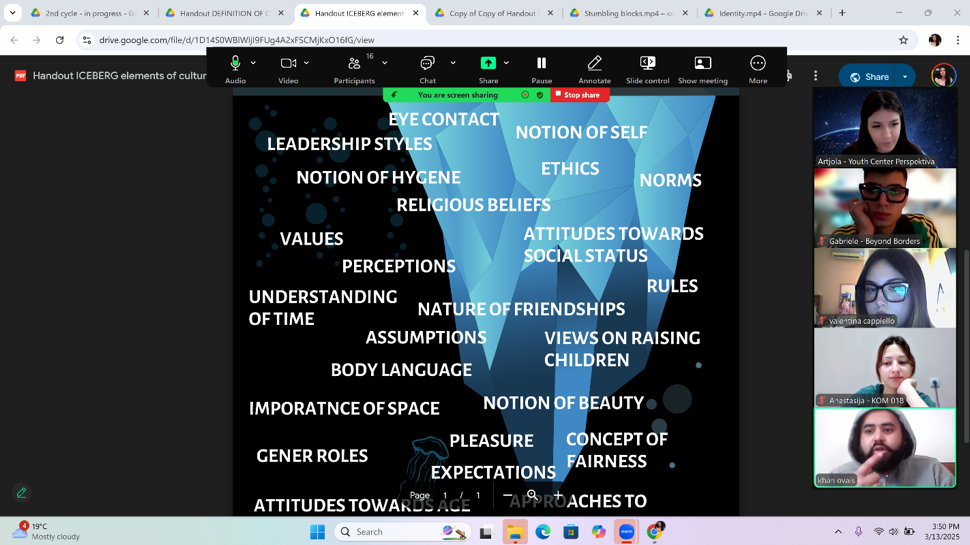
Another important aspect of VOFA was the development of awareness-raising campaigns. Participants were not only learners but also contributors to the dissemination of project values. Through various initiatives and online campaigns, they promoted intercultural dialogue, inclusion, tolerance, critical thinking, active citizenship, and responsible digital participation. Educational materials, creative content, and campaign messages developed during the project were shared through digital platforms, extending the project’s reach far beyond direct participants.
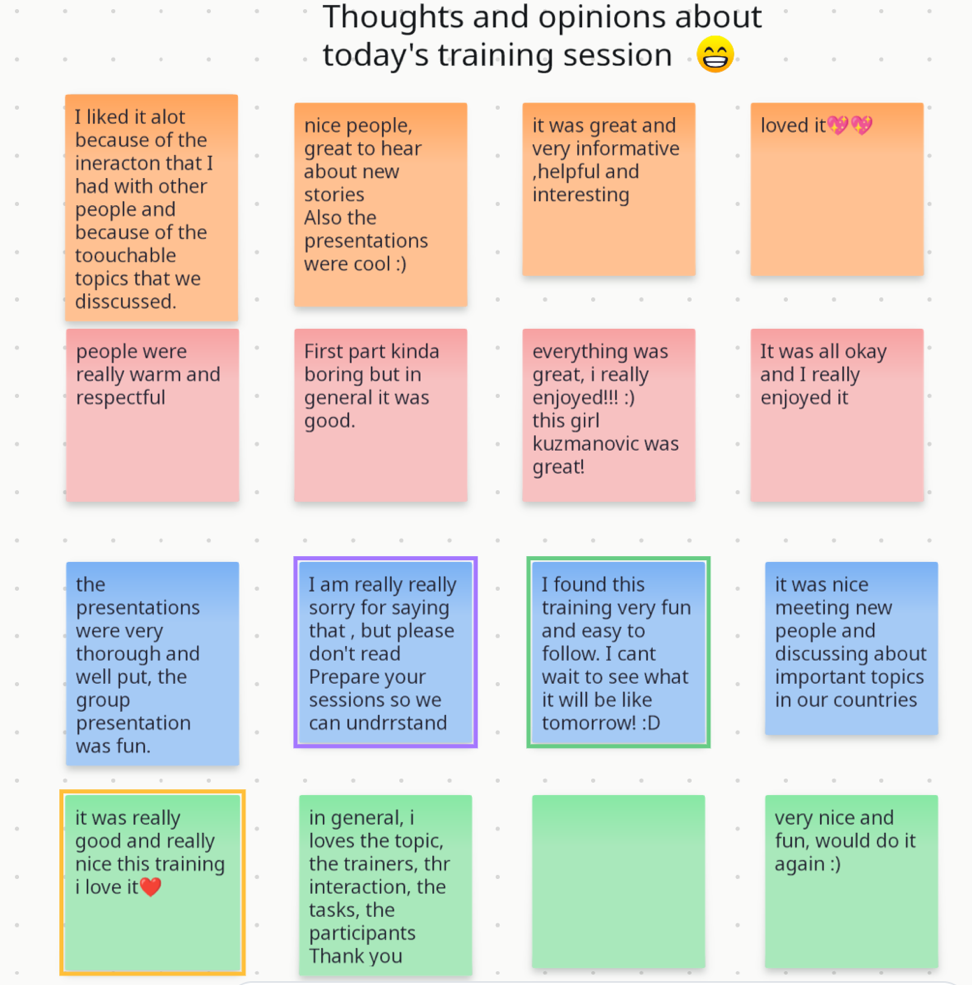
The project achieved significant results throughout its three-year implementation period. More than 4,200 participations were recorded across trainings and exchanges. Beyond the numbers, however, the project contributed to the development of practical skills, increased confidence in intercultural communication, strengthened digital competences, and encouraged greater youth participation in social and community life. Participants gained new perspectives, established international connections, and developed a deeper understanding of the challenges and opportunities associated with living and participating in an increasingly digital world.
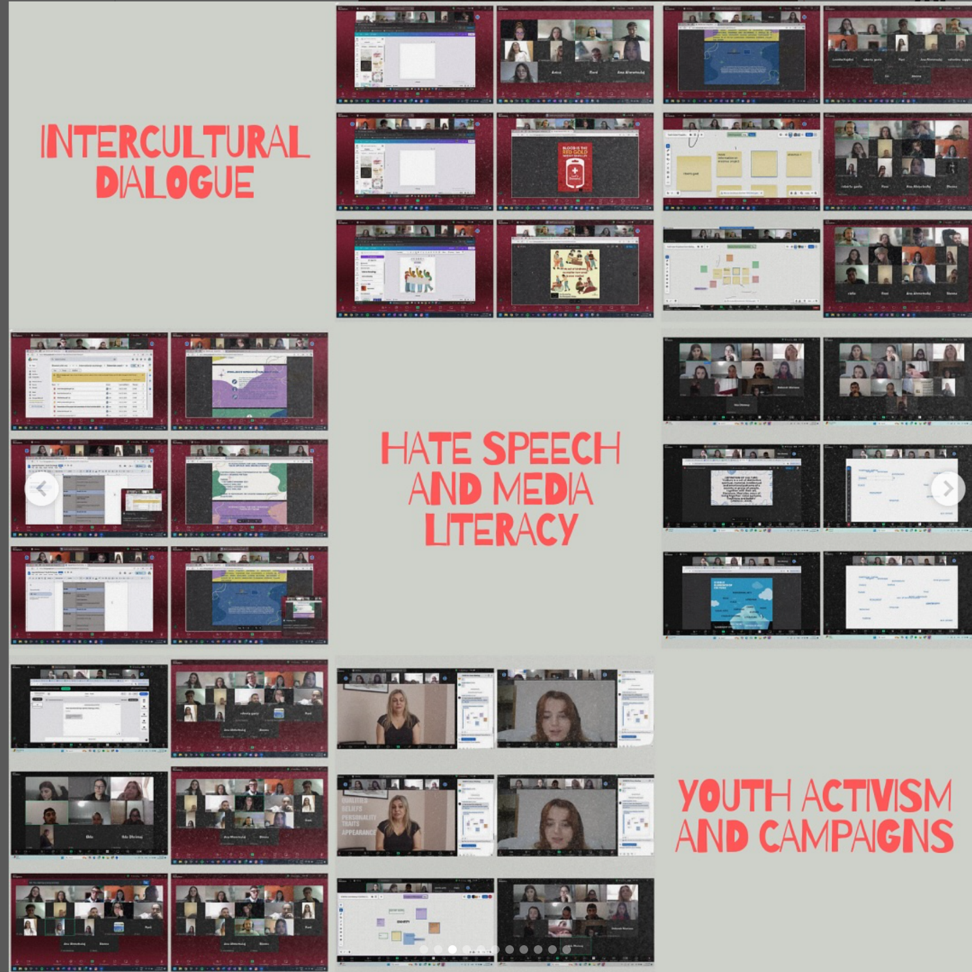
An important component of the project was the capacity building of international teams of facilitators and youth workers. Through a series of online training courses, participants strengthened their knowledge and skills in facilitating virtual activities, promoting intercultural dialogue, combating hate speech, educating on media literacy, and encouraging youth activism. These trainings provided practical tools and methodologies that participants could further apply in their local communities.
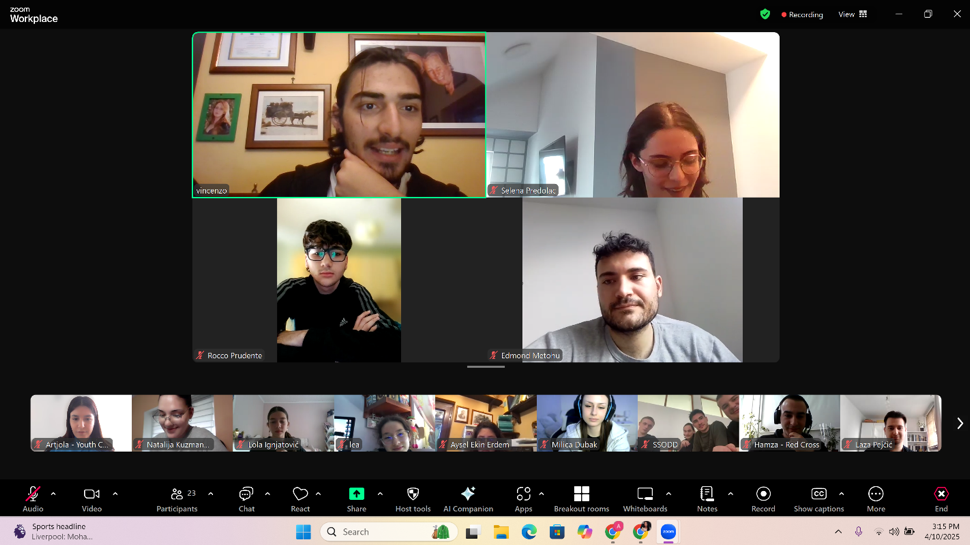
The organization of two multiplier events further contributed to the visibility and sustainability of the project. These events provided opportunities to present the methodologies, educational resources, and achievements developed throughout the implementation period. They also allowed partner organizations, facilitators, participants, and stakeholders to reflect on the project’s impact and discuss how its results could continue to be used in future youth work initiatives.
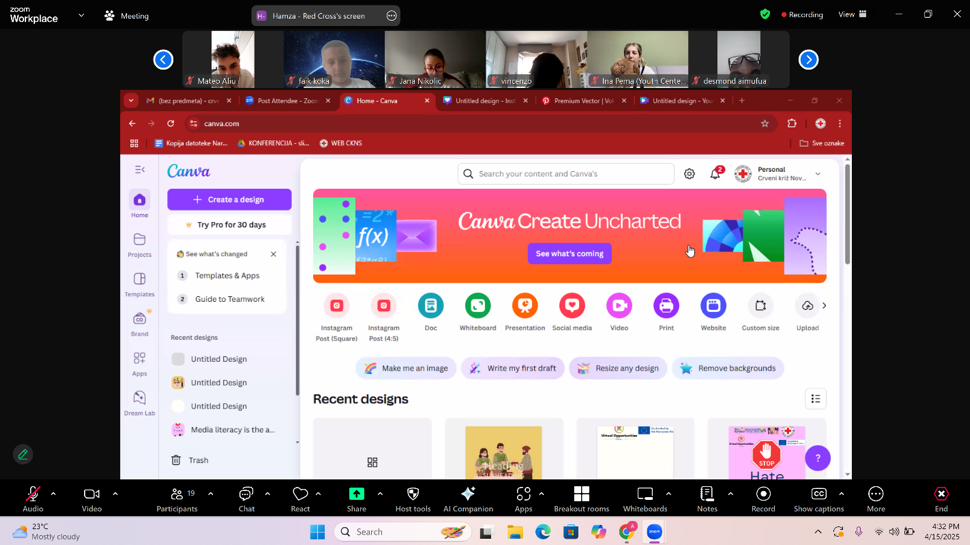
The project also supported the implementation of national virtual exchanges in each partner country. These activities enabled young people to further explore project themes within their local contexts while strengthening cooperation among youth at the national level. Participants were encouraged to reflect on the challenges facing their communities and identify ways to contribute to positive change through youth-led initiatives and active participation.
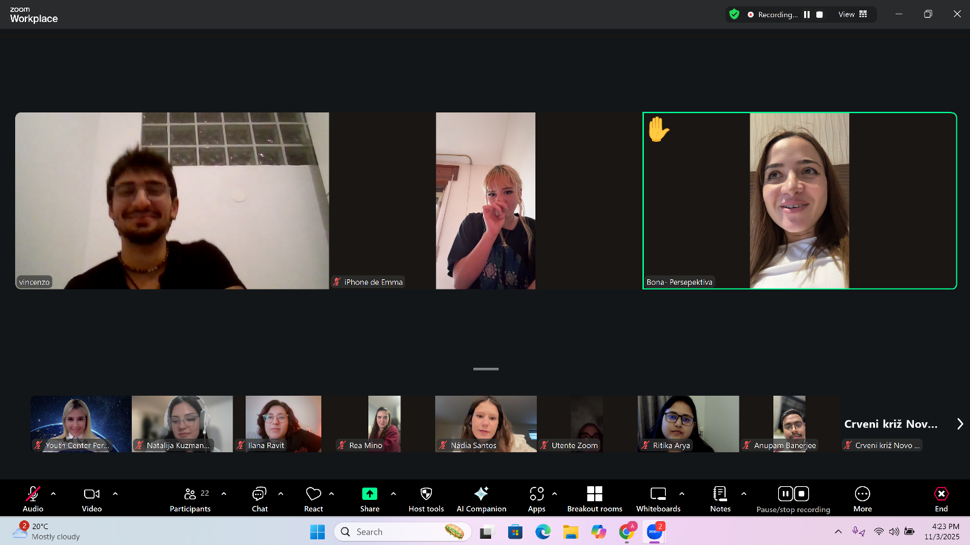
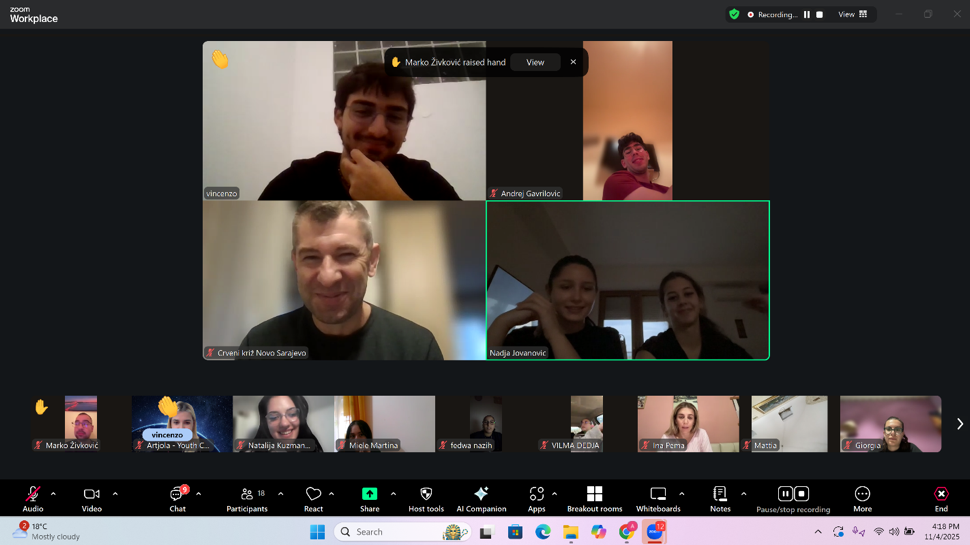
By combining digital learning, intercultural exchange, youth participation, and innovative online methodologies, the project contributes to creating more accessible opportunities for young people while strengthening cooperation and mutual understanding across the world.
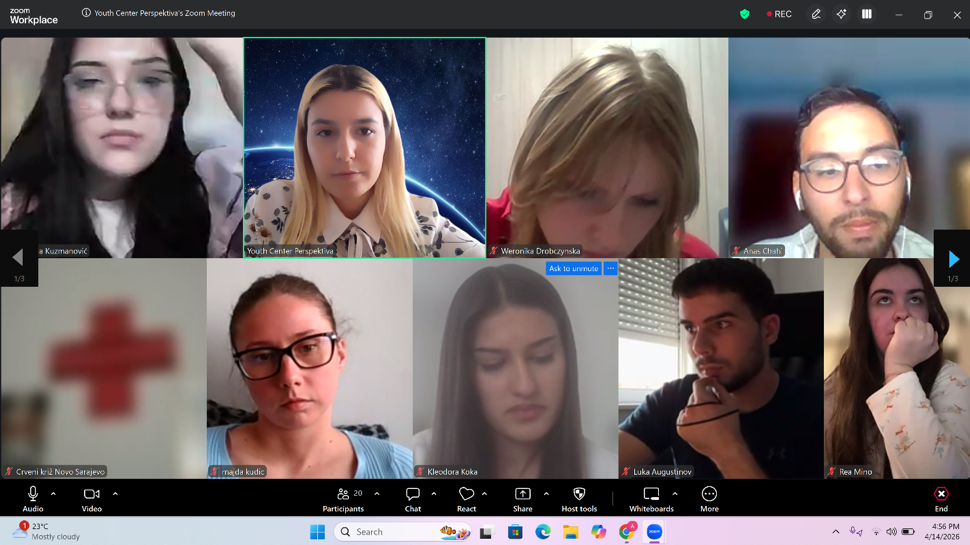
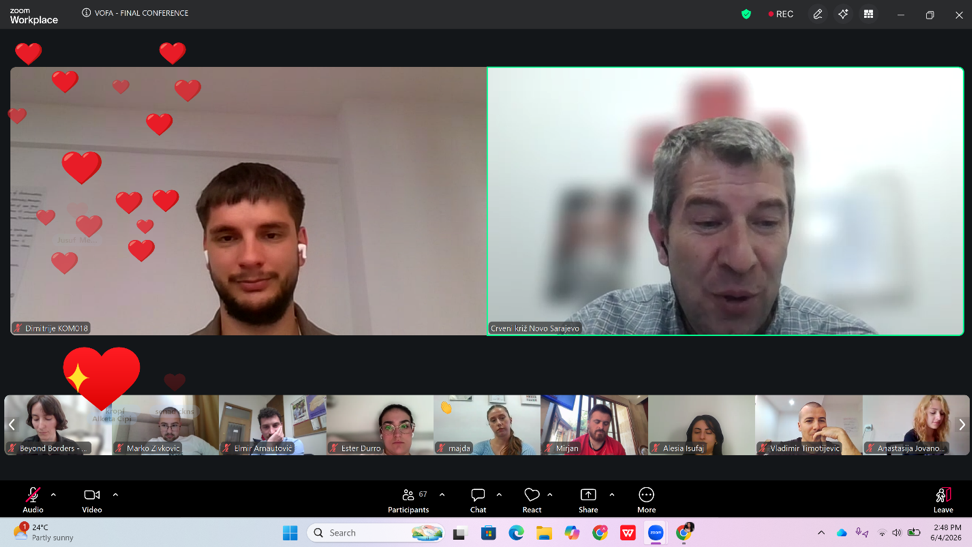
Ultimately, Virtual Opportunities for All demonstrated that virtual spaces can serve as effective environments for learning, dialogue, cooperation, and active participation. By combining digital innovation with youth work principles, the project created opportunities for young people to engage with important social issues, develop valuable competencies, and build connections that transcend geographical and cultural boundaries.
Project is implemented in the period in the period 01.07.2023 – 30.06.2026 in Serbia, Italy, Bosnia and Herzegovina and Albania. Project “Virtual Opportunities for All” is co-financed by the European Union within Virtual exchanges with Western Balkan of Erasmus + program.